Precision Through Purpose in Modern Rifle Systems

Rifle ownership today is defined by intention. Shooters no longer build platforms around raw output alone—they focus on how each component contributes to control, balance, and long-term reliability. Accessories are evaluated not by how dramatic they feel, but by how consistently they perform under real conditions. Equipment that introduces unpredictability is quickly removed, while components that quietly improve handling tend to stay.

This mindset has shifted how shooters view refinement. Instead of chasing extremes, experienced users prioritize predictability. A rifle that behaves the same way shot after shot allows skill, not compensation, to drive results. Every addition to the system must earn its place by improving the shooting experience without complicating it.


Refining the Shooting Experience Without Disruption

Managing blast, recoil, and overall system behavior plays a significant role in how a rifle feels during extended use. Harsh impulse and excessive disturbance don’t just affect comfort—they interrupt rhythm and degrade consistency over time. Small inefficiencies compound, especially during longer training sessions.

A well-engineered suppressor moderates these forces without stripping away useful feedback. Rather than muting the rifle entirely, it smooths the firing cycle, helping the platform settle more predictably between shots. That refinement allows shooters to maintain visual alignment and tempo instead of reacting to abrupt movement.

The result is not a different rifle, but a more manageable one—one that supports precision through control rather than distraction.


Platform-Specific Demands of the .223 Rifle

Gas-operated rifles chambered in .223 introduce unique challenges when additional components are added. Pressure changes, timing sensitivity, and heat accumulation can all affect how the system cycles. Without careful design, these factors may compromise reliability or accelerate wear.

A purpose-built 223 suppressor addresses these concerns through deliberate engineering. Internal geometry must regulate gas flow carefully to avoid excessive back pressure, while materials must tolerate sustained heat during repeated firing. Precision alignment also matters, as even minor inconsistencies can affect accuracy over time.

When suppression is designed with the platform in mind, the rifle maintains its expected behavior—only smoother and easier to manage. Reliability remains intact, while handling becomes more predictable across a wide range of use cases.


Integration Within Evolving Rifle Configurations

Modern rifle setups are rarely static. Shooters adjust optics, mounts, and accessories as their skills evolve or environments change. In this modular landscape, compatibility and repeatability are critical.

High-quality components integrate cleanly without altering balance or requiring constant adjustment. Secure mounting systems and tight tolerances ensure that removal and reinstallation don’t introduce variation. When equipment behaves consistently regardless of configuration, shooters can adapt their setups with confidence.

This seamless integration reduces mental load. Instead of thinking about gear behavior, shooters can focus on execution, knowing their system will respond the same way every time.


Durability That Proves Itself Over Time

Extreme heat, pressure fluctuations, and vibration are unavoidable realities for rifle components. Early performance matters, but longevity matters more. Equipment that degrades after extended use quickly loses its value.

True durability comes from material selection, structural integrity, and thoughtful design that accounts for real-world stress. Components must resist erosion, maintain alignment, and hold up through repeated thermal cycles. When performance remains stable month after month, trust follows naturally.

That trust allows shooters to train intentionally, without second-guessing whether their equipment will behave differently from one session to the next.


Consistency as a Tool for Skill Development

Progress depends on repeatability. When recoil impulse, cycling behavior, and sight movement remain consistent, shooters can accurately evaluate their own technique. Equipment that behaves predictably removes variables from the learning process.

This stability reinforces good habits. Shooters spend less time adapting around mechanical quirks and more time refining fundamentals. Over time, the system begins to feel like an extension of intent rather than an obstacle to manage.

Reliable equipment doesn’t accelerate skill on its own—but it creates the conditions where improvement becomes measurable and sustainable.


A Practical Design Philosophy in Action

In a crowded market, meaningful differentiation comes from restraint. Products that prioritize function over excess tend to earn long-term loyalty. This philosophy guides the approach taken by Sylvan Arms, where performance is shaped by real use rather than marketing trends.

Their focus remains on clean integration, disciplined engineering, and components that perform consistently across platforms. Each design choice is grounded in how rifles are actually used—favoring reliability and predictability over unnecessary complexity.

This practical mindset resonates with shooters who value equipment that supports control without demanding attention.


Lasting Value Through Thoughtful Engineering

The most effective rifle components are often the least noticeable. They don’t require constant tuning or explanation—they simply work. When accessories are designed with purpose, they remain relevant even as platforms evolve.

Suppression systems that emphasize compatibility, durability, and consistent behavior become long-term assets rather than temporary upgrades. As shooters continue refining their setups, demand will remain strong for equipment that delivers steady performance without compromise.

In modern rifle systems, refinement isn’t about novelty—it’s about reliability, balance, and trust built over time.
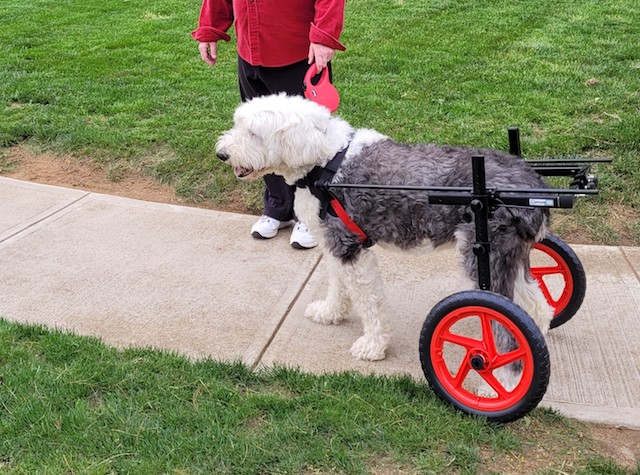
Supporting Dogs Through Changes in Movement

Dogs experience the world through motion. Walking toward a familiar voice, exploring outdoor scents, or simply shifting positions comfortably throughout the day all play an important role in their wellbeing. When movement becomes difficult, these everyday actions can turn into challenges, affecting both physical comfort and emotional confidence.

Mobility changes can feel overwhelming for families at first. However, with patience, education, and the right type of support, dogs can continue to enjoy daily routines and remain engaged with the people around them. The goal is not to restore movement perfectly, but to help dogs stay involved, comfortable, and confident as their needs change.


Signs That a Dog May Need Mobility Assistance

Mobility decline often begins gradually. Dogs may hesitate before standing, struggle to maintain balance, or tire more quickly during walks. Some shift weight unevenly, while others avoid surfaces or activities they once enjoyed. These changes can result from aging, joint conditions, neurological disorders, or recovery from injury.

As mobility decreases, dogs may become more cautious or withdrawn. Early support helps prevent additional strain and reduces frustration. When movement feels safer and more stable, dogs are more likely to remain active within their comfort level, preserving strength and confidence.


Regaining Movement with a Dog Wheelchair

A dog wheelchair is designed to support mobility while allowing dogs to move using their own strength. By stabilizing the body and redistributing weight away from weakened limbs, it helps dogs walk, explore, and reposition themselves with greater ease.

Rather than restricting movement, this type of support encourages independence. Dogs remain in control of their pace and direction, which plays a major role in rebuilding confidence. Many dogs adapt quickly once they realize movement feels smoother and less demanding.

For families, seeing a dog move more freely often brings reassurance. Everyday activities—such as spending time outside or following family members—become possible again, helping dogs stay connected to their environment.


Comfort and Adjustability Matter

Successful mobility support depends heavily on comfort and fit. Correct sizing helps balance support across the body while minimizing areas of unnecessary pressure. Lightweight frames reduce fatigue, while harness systems provide security without limiting natural motion.

Adjustability is especially important because mobility needs can change over time. A well-designed mobility aid can be fine-tuned as strength, balance, or endurance shifts. This flexibility allows dogs to continue benefiting from support without unnecessary discomfort.

Ease of use is equally important for caregivers. Straightforward adjustments and intuitive setup make daily use more manageable, which helps dogs adapt more consistently.


Emotional Impact of Improved Mobility

Restored movement often leads to noticeable emotional changes. Dogs who can move independently tend to be more alert, social, and curious. Being able to participate in everyday routines reinforces a sense of normalcy and reduces feelings of frustration.

These emotional benefits extend to caregivers as well. Watching a dog regain confidence and comfort strengthens the bond and reinforces the value of providing thoughtful mobility support. The focus shifts from limitations to possibilities—what the dog can still enjoy and experience.


Guidance from Best Friend Mobility

Choosing a mobility solution can feel intimidating, especially for families new to assistive equipment. Best Friend Mobility helps simplify the process by focusing on education, proper fit, and real-world usability.

Their approach emphasizes understanding each dog’s unique needs rather than offering generic solutions. By guiding caregivers through selection, adjustment, and ongoing use, Best Friend Mobility helps ensure mobility support remains safe, effective, and comfortable over time.

This type of guidance helps families feel confident in their decisions and better prepared to support their dog’s changing needs.


Reliable Information Through bestfriendmobility.net

Access to clear, reliable information makes a meaningful difference when caring for a dog with mobility challenges. Resources available through bestfriendmobility.net help caregivers understand how mobility aids work, what to expect during the adjustment period, and how to make changes as needs evolve.

Having a dependable source of information reduces uncertainty and helps families stay proactive. With the right guidance, caregivers can make informed choices that support both comfort and long-term quality of life.


Moving Forward with Confidence and Care

Mobility challenges may change how dogs move, but they do not diminish a dog’s desire to be involved, curious, and close to their family. With thoughtful support and consistent care, dogs can continue enjoying meaningful routines and interactions.

When mobility solutions are chosen carefully and used with patience, they become part of a new normal—one focused on comfort, stability, and connection. By prioritizing understanding and support, families can help their dogs continue living rich, engaged lives filled with movement, purpose, and companionship.

Built for Control and Designed for Consistency

Modern rifle owners approach their equipment with purpose. Every component on a rifle serves a function, and anything that doesn’t contribute to control, reliability, or usability is quickly replaced. As shooting styles evolve and expectations rise, shooters increasingly prioritize gear that delivers consistent performance without unnecessary complexity.

One area that continues to gain attention is how rifles manage blast, recoil, and overall shooting comfort. These factors influence accuracy, endurance, and confidence—especially during extended use. When properly engineered, suppression becomes less about novelty and more about refinement, enhancing the shooting experience without changing the rifle’s character.


Why Suppression Has Become a Practical Upgrade

The benefits of using a suppressor extend beyond sound reduction. Muzzle blast, recoil impulse, and gas behavior all affect how a rifle tracks during firing. Over time, unmanaged disruption can introduce fatigue and inconsistency, making it harder for shooters to maintain rhythm and focus.

Effective suppression moderates these forces instead of eliminating them entirely. The result is smoother recoil behavior, improved follow-up shot control, and a more predictable shooting cycle. This balance allows shooters to stay engaged with fundamentals like sight alignment and trigger control rather than reacting to abrupt feedback.

For many shooters, suppression is no longer an optional add-on—it’s a functional component that supports repeatable performance.


Engineering for the Demands of the .223 Platform

The .223 platform presents specific challenges that require careful engineering. Gas-operated rifles are sensitive to changes in back pressure, dwell time, and heat, all of which are affected when suppression is introduced. Poorly matched designs can lead to inconsistent cycling or increased wear.

A purpose-built 223 suppressor accounts for these variables from the start. Internal geometry must manage gas flow efficiently, materials must tolerate sustained heat, and mounting systems must remain secure under repeated firing cycles. When these elements are balanced correctly, suppression enhances performance rather than complicating it.

Shooters benefit from smoother operation and improved control without sacrificing reliability. The rifle continues to behave as expected—just with greater consistency and comfort.


Integration That Respects the Rifle System

Rifles today are modular platforms. Shooters frequently change optics, handguards, stocks, and accessories as their needs evolve. In this environment, compatibility is essential.

A well-designed suppressor integrates seamlessly with the rifle, maintaining alignment and balance across different configurations. Precision machining and tight tolerances ensure consistent mounting and repeatable performance, even after frequent installation and removal.

When integration is done correctly, shooters can adapt their setups confidently, knowing that performance will remain stable regardless of configuration changes.


Durability That Extends Beyond the First Range Session

Suppressors operate in extreme conditions. High temperatures, rapid pressure changes, and constant vibration quickly expose weaknesses in design or materials. Initial performance means little if it degrades after sustained use.

True durability means maintaining consistent behavior over time. Materials must resist erosion, internal structures must withstand heat cycling, and mounting systems must retain integrity round after round. Long-term reliability ensures that performance doesn’t drift as use accumulates.

This kind of durability builds trust. Shooters can focus on training or application without questioning whether their equipment will behave differently from one session to the next.


Supporting Skill Development Through Predictability

Consistency in equipment plays a critical role in shooter development. When recoil behavior and cycling remain predictable, shooters can accurately evaluate their own performance.

Stable suppression allows shooters to observe sight movement, refine follow-through, and make meaningful adjustments without second-guessing their gear. Instead of compensating for erratic behavior, shooters can focus on improving technique.

Over time, reliable equipment becomes an extension of the shooter’s intent—supporting progress rather than introducing new variables.


A Design Philosophy Centered on Practical Use

In the firearms industry, credibility is earned through performance, not promises. Shooters value brands that explain their design decisions, demonstrate real-world functionality, and prioritize usability over trends.

This philosophy defines Sylvan Arms. Their approach emphasizes disciplined engineering, clean integration, and long-term reliability. Each component is designed to perform consistently under real conditions, supporting shooters who value control and repeatability.

By focusing on refinement rather than excess, Sylvan Arms delivers products that fit naturally into modern rifle systems without unnecessary complexity.


Long-Term Value Through Purposeful Engineering

The best rifle accessories are those that quietly do their job, session after session. They don’t demand attention—they earn confidence through consistent results.

Suppression that prioritizes compatibility, durability, and predictable behavior becomes a lasting part of a shooter’s setup rather than a temporary upgrade. As shooters continue refining their platforms, demand will remain strong for equipment that performs reliably across environments and use cases.

When engineering decisions are guided by restraint and purpose, performance remains steady—and that consistency defines true value in modern rifle systems.

Helping Pets Stay Engaged as Mobility Needs Change

Mobility shifts can affect pets in quiet but meaningful ways. A slower pace, shorter outings, or hesitation during routine movements may signal that extra support could soon be helpful. While these changes can be difficult for pet owners to notice at first, addressing them early often makes a significant difference in maintaining a pet’s comfort and engagement with daily life.

Modern mobility support is no longer about limiting movement or confining pets indoors. Instead, today’s approach focuses on preserving independence, encouraging safe activity, and helping pets continue participating in the routines they enjoy. With thoughtful planning and the right tools, mobility changes can be managed proactively rather than reactively.


Why Ongoing Movement Matters for Long-Term Wellbeing

Movement plays a foundational role in physical health. Regular activity supports muscle tone, joint flexibility, circulation, and balance. When movement becomes restricted, secondary issues such as stiffness, muscle loss, and discomfort may follow quickly.

Just as important are the emotional effects. Pets that struggle to move often withdraw from interaction, not because they lose interest, but because participation becomes difficult. Reduced activity can lead to frustration, anxiety, or noticeable changes in behavior. Maintaining safe, supported movement helps protect both physical condition and emotional stability.

Veterinary professionals often encourage continued activity within safe limits, emphasizing consistency rather than intensity. The goal is not to push pets beyond their abilities, but to help them move comfortably and confidently within them.


When Mobility Support Becomes a Practical Option

As conditions progress or recovery slows, some pets benefit from structured assistance that supports movement without removing independence. This is where a pet wheelchair can become a practical part of daily care.

Designed to redistribute weight and stabilize affected areas, these devices allow pets to move forward using their remaining strength. Unlike carrying or lifting, structured mobility support encourages natural motion patterns while reducing strain. Many pets adapt quickly once they realize movement feels easier and more balanced.

Mobility assistance may be helpful for pets dealing with joint degeneration, neurological conditions, injury recovery, or age-related weakness. In many cases, continued movement with support helps slow further decline by preventing inactivity-related complications.


Fit, Balance, and Comfort Make the Difference

No mobility device works effectively without proper fit. Poor alignment can lead to discomfort, resistance, or uneven movement that discourages use. Adjustable components allow caregivers to fine-tune balance and positioning as needs change over time.

Comfort is not just about padding—it’s about how naturally the device integrates into movement. Harness placement, weight distribution, and frame stability all contribute to how confident a pet feels while using support. When equipment moves with the pet rather than against them, adaptation becomes far easier.

Ease of daily use also matters. Straightforward adjustments and intuitive setup reduce stress for both pets and caregivers, making consistent use more achievable.


Matching Support to Specific Mobility Needs

Not all mobility challenges require the same solution. Some pets primarily need rear support, while others benefit from more comprehensive stabilization. In these situations, a dog wheelchair can be configured to match individual needs without restricting unaffected limbs.

Support tools are often used flexibly rather than full time. Some pets rely on assistance during longer outings, while others benefit most during recovery periods or on uneven terrain. This adaptability allows families to tailor support based on comfort and activity level rather than committing to a fixed routine.

Mobility support works best when integrated into a broader care plan that may include veterinary guidance, weight management, and physical therapy.


Emotional Benefits of Restored Independence

One of the most meaningful outcomes of mobility support is emotional renewal. Pets that regain the ability to move independently often show noticeable changes in demeanor. Increased alertness, curiosity, and willingness to engage are common signs that confidence is returning.

Being able to follow family members, explore familiar spaces, or enjoy time outdoors reinforces a sense of normalcy. These experiences reduce frustration and strengthen the bond between pets and their caregivers. Movement becomes a source of connection rather than limitation.

Caregivers frequently report that emotional improvements appear just as impactful as physical ones, creating a more positive daily environment for everyone involved.


Education and Support Build Confidence

Navigating mobility changes can feel overwhelming without guidance. Clear information about sizing, setup, and adjustment timelines helps caregivers feel prepared rather than uncertain. Understanding what the adaptation process looks like also helps set realistic expectations.

This is where Best Friend Mobility plays an important role. By offering educational resources, real-world insights, and responsive support, they help families make informed decisions and feel confident throughout the transition. Access to reliable guidance turns mobility support into a manageable part of care rather than a source of stress.

Community knowledge and shared experiences further reinforce confidence, helping normalize mobility aids as tools for continued quality of life.


Supporting Movement Through Every Stage

Mobility needs evolve over time. Conditions may stabilize, progress, or fluctuate, requiring adjustments rather than replacements. Equipment designed with flexibility in mind allows pets to continue benefiting from support as their needs change.

With patience and consistency, mobility assistance becomes part of a pet’s routine. What initially feels unfamiliar often becomes a trusted aid that supports continued engagement with the world around them.

Mobility may look different, but with the right approach, it can remain meaningful—helping pets stay active, connected, and comfortable through every stage of life.

Ivy in Wheelchair

Choosing the Right Dog Wheelchair and How to Use It

Expensive and problematic custom dog wheelchairs are a thing of the past. A fully adjustable dog wheelchair like one from Best Friend Mobility is available for dogs of all sizes at reasonable prices.

Many brands are available, but you must choose the right one for your precious pooch. You want one that is easy to use, lightweight, portable, and appropriate for all surfaces. All surfaces must also be corrosion-free and washable, so maintaining them is not an issue. If you choose the right one, you will provide your disabled dog with a new lease on life for years!

Getting Your Pet To Use a Dog Wheelchair

Choosing the right one is just the first part of the process. One of the main challenges for pet owners when buying a wheelchair is getting their dog to use it. Some take to it like ducks to water, but others, not so much.

After getting a BFM wheelchair for your dog and assembling it, your next task is to get your dog on it. Don’t worry if they seem suspicious; most animals shy away from unfamiliar things. You have to be patient and use a little bribery to convince them to stand still long enough so you can strap the wheelchair on them.

You might fail to get them to start moving after putting them in the wheelchair. They might turn donkey and dig in their heels. That’s perfectly okay. Some dogs take a couple of weeks to get used to the contraption, especially if they have some ability to move without it. However, after a few tries, they will finally get the idea and get moving.

Helpful Tips

  1. If your dog is still mobile for short stretches, take them for a walk without putting them in a wheelchair. When they start slowing down, put them in the wheelchair and start back home. Your pet will associate the chair with something positive, like going home, making them more willing to work with you.
  2. Suppose your dog has limb weakness but still tries to use their legs. That means they can still feel the surface and want to maintain contact with the ground with their paws. If that’s the case, put them in the wheelchair, but refrain from putting the weakened legs on the straps that lift their feet off the ground. The dog wheelchair will still support most of their weight, but the dog will not feel hobbled. Letting them use the weak legs for as long as they can may also help improve muscle tone.
  3. Pay attention to how your dog’s back looks when in the wheelchair. If you notice the back is roached (curves up), the chest strap prevents the dog from stretching their back to its entire length. Adjust the length of the side arms to accommodate the torso and stretch the back comfortably. On the other hand, if the back curves inward, it might indicate the need for a belly strap to give the dog more support to its core.